A pet emergency can happen without warning. One moment, your dog or cat may be healthy and comfortable; the next, you may find yourself trying to decide whether the situation requires immediate veterinary attention. In those moments, fear and uncertainty can make it difficult to think clearly.
Preparation can make an important difference.
In Small Animal Pet ER Essentials: Your Guide to Navigating the Veterinary ER, Dr. Julie Damron draws on more than 25 years of experience as a small animal veterinarian and more than a decade in emergency veterinary medicine to help pet owners better understand what to do before, during, and after a veterinary emergency.
Prepare Before an Emergency Happens
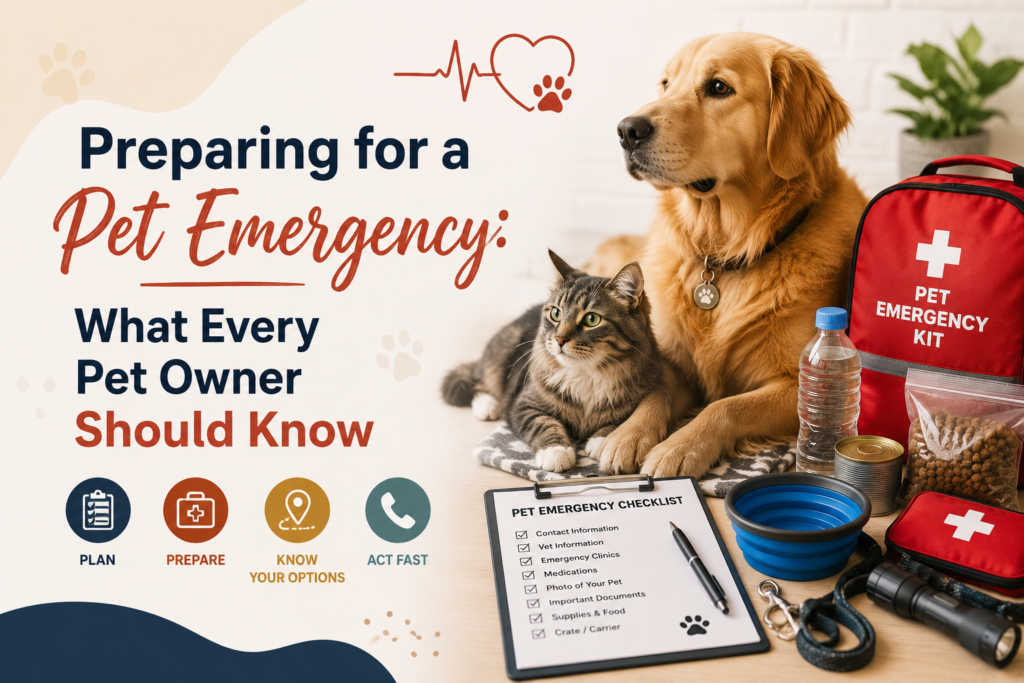
One of the most effective ways to reduce stress during an emergency is to plan ahead. Dr. Damron recommends knowing where your nearest one to three pet emergency facilities are located, understanding their hours of operation, and learning what services they provide. This information should be easy to access on both your phone and at home.
Financial preparation is another important part of emergency planning. Veterinary emergency hospitals commonly require a deposit before diagnostics and treatment can begin, and many do not offer traditional payment plans. Establishing a dedicated pet care savings account and understanding available financing options can provide greater flexibility when urgent care is needed.
Pet insurance can also provide valuable financial support. The book encourages owners to explore coverage options that fit their circumstances and notes that purchasing insurance earlier in a pet’s life may help avoid complications related to preexisting conditions.
Know When Your Pet May Need Emergency Care
Not every health concern requires an emergency room visit, but certain symptoms should prompt immediate consideration of veterinary care. Examples discussed in the book include seizures, unresponsiveness, labored breathing, toxin ingestion, significant trauma, fractures, bleeding, repeated vomiting, paralysis, choking, difficulty urinating, and other serious changes in a pet’s condition.
When you are uncertain, contacting your local pet emergency hospital can help you determine whether your companion should be evaluated immediately. If the problem is minor and your pet is otherwise stable, your regular veterinarian may be better positioned to provide care the following day.
Make the Journey to the ER as Safe as Possible
Transporting an injured or frightened animal requires caution. Pain and fear can cause even gentle pets to bite or scratch unexpectedly. The book discusses practical ways to protect both the pet and the person transporting them, including using household items such as blankets or towels to assist with movement and applying pressure with cloth to help control bleeding.
It is also helpful to bring important medical information. Pet owners should know their companion’s medications, dosages, vaccination information, recent treatments, allergies or sensitivities, diet, and relevant medical history. Keeping this information organized on a smartphone can make it easier to provide accurate information when time matters.
Understand What Happens at the Veterinary ER
Arriving at an emergency hospital does not always mean your pet will immediately be seen. Like human emergency departments, veterinary ERs prioritize patients according to the severity of their conditions. A critically ill or injured animal may need attention before a pet with a less urgent problem.
Clear communication can make the process more efficient. Pet owners should listen carefully, ask questions when something is unclear, understand the primary concerns and treatment plan, and discuss financial limitations openly. An itemized estimate can help owners understand the anticipated treatment plan and available options.
Stay Reachable and Involved
If your pet remains at the hospital, it is important to remain available by phone. A pet’s condition can change quickly, and veterinary staff may need to contact the owner to discuss additional testing or treatment. Designating one primary family contact can also help prevent confusion and allow the medical team to communicate more efficiently.
Following discharge, owners should carefully review written instructions concerning medications, diet, activity restrictions, wound care, follow up testing, and additional veterinary visits. Recovery does not necessarily end when a pet leaves the hospital; some injuries and illnesses can continue to develop or require monitoring after the initial emergency has passed.
Preparation Can Give You Confidence When It Matters Most
No pet owner wants to imagine facing an emergency. However, knowing where to go, having important medical information available, preparing financially, and understanding what to expect can make a difficult situation more manageable.
Emergency veterinary medicine can be overwhelming, but pet owners do not have to approach it completely unprepared. With thoughtful planning and effective communication, you can be better equipped to advocate for your companion and work with the veterinary team toward the best possible outcome.
Dr. Julie Damron’s Small Animal Pet ER Essentials was created to help pet owners navigate that process with greater knowledge, preparation, and compassion.