For most pet owners, a trip to the emergency room is something they hope they never have to experience. While not every emergency can be prevented, many common situations can be reduced through simple, consistent preventive care.
Dr. Julie Damron, DVM, draws on more than 20 years of small animal veterinary experience, including more than 10 years in emergency veterinary medicine, to emphasize an important message: prevention and preparation can make a meaningful difference in your pet’s health and safety.
Start With a Safe Home
Pets are naturally curious, and that curiosity can sometimes lead them into dangerous situations. Household trash, medications, supplements, and certain plants can all pose serious risks.
Keeping garbage securely covered can help prevent pets from swallowing bones, food scraps, or other harmful materials. Human and animal medications should also be kept safely out of reach. Toxic plants should be avoided both inside the home and in the yard.
Outdoor hazards deserve attention as well. Foxtails, for example, can cause significant tissue damage and infection when their sharp tips become embedded in a pet’s body. Regularly checking your pet after time outdoors can help identify problems early.
Make Preventive Veterinary Care a Priority
Routine veterinary care is one of the most important parts of responsible pet ownership. Regular examinations allow potential health concerns to be identified as early as possible.
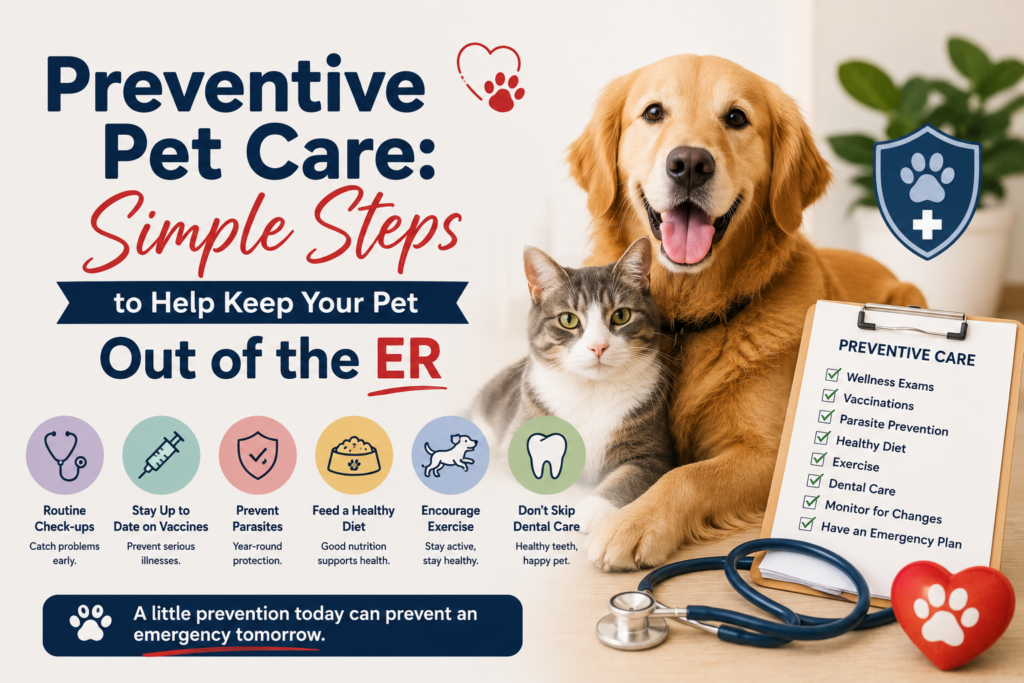
The manuscript recommends that pets receive at least annual examinations, with more frequent visits suggested for senior animals. Vaccinations, parasite prevention, dental care, and other preventive services should be discussed with your veterinarian according to your pet’s individual needs and lifestyle.
Nutrition and exercise are equally important. Feeding a nutritionally balanced diet appropriate for your pet’s size and life stage, maintaining a healthy weight, and providing regular physical activity can support both quality of life and longevity.
Pay Attention to the Small Changes
Pet owners are often the first people to notice when something is different. A daily wellness check can be a simple way to monitor your companion.
Pay attention to your pet’s:
- Eating
- Drinking
- Urination
- Bowel movements
- Energy level
- Mobility
- Alertness
- Coat
Changes in these areas may indicate that something is wrong and should be discussed with a veterinarian.
Be Prepared Before an Emergency Happens
Preparation becomes especially valuable when an emergency occurs. Pet owners should know where their nearest one to three emergency veterinary facilities are located and understand their hours and available services.
It is also helpful to keep your regular veterinarian’s contact information and emergency resources readily available on your phone and in an easily accessible location at home.
Financial preparation is another important part of emergency planning. Exploring payment and funding options before an emergency occurs can reduce stress and give owners more options when urgent care is needed. Pet insurance may also provide additional financial support when unexpected medical expenses arise.
A Healthier Future Starts with Preparation
Caring for a pet involves more than responding to illness or injury. It means creating a safe environment, maintaining preventive healthcare, monitoring everyday wellness, and preparing for unexpected situations.
No pet owner can prevent every emergency. However, taking practical steps today can help reduce avoidable risks and ensure that you are better prepared when your companion needs you most.
A Pet Owner’s Guide to Staying Out of the ER offers pet owners practical information, checklists, and resources designed to make preventive care easier to understand and put into practice.